
Asphalt Sealing Service
Our asphalt sealing services help maintain and protect pavement by preventing cracks and surface deterioration, making it a practical choice when repair or resurfacing isn't yet needed.
If you're exploring options to maintain or improve the condition of your asphalt surfaces, you're in the right place. Understanding the differences between asphalt crack sealing and resurfacing can help property owners make informed decisions that align with their needs and budget. Whether you're managing a commercial parking lot or a residential driveway, knowing when each approach makes sense ensures your surfaces remain safe, functional, and visually appealing. Our team at All State Asphalt specializes in providing expert asphalt sealing services that protect and extend the life of your pavement, making this an ideal starting point for your maintenance planning.
Asphalt crack sealing and resurfacing serve distinct purposes, and choosing the right solution depends on the current state of your asphalt. Crack sealing is a practical way to prevent minor issues from worsening, preserving the integrity of the pavement and delaying more extensive repairs. Resurfacing, on the other hand, is a more comprehensive solution suited for surfaces with significant wear or damage. By understanding the nuances of each, property owners can better assess their needs and determine when sealing might be enough or when resurfacing could be a more appropriate choice. Keep reading to learn more about how these options can work together to keep your asphalt surfaces in top condition.
- Asphalt crack sealing services are ideal when cracks are small and surface integrity is still intact, and our team focuses on precise, long-lasting sealing to prevent further deterioration.
- Resurfacing is appropriate when the existing asphalt is extensively damaged or worn, and our team specializes in applying a new layer to restore a smooth, durable surface.
- Asphalt crack sealing provides an effective solution for minor surface issues, helping to extend the lifespan of the pavement without the need for full replacement.
- Resurfacing makes sense when the pavement has widespread surface failure, and our team ensures a seamless, high-quality overlay that supports long-term performance.
- Choosing between crack sealing and resurfacing depends on the severity of damage, and our team offers expert guidance to determine the most appropriate asphalt sealing solution.
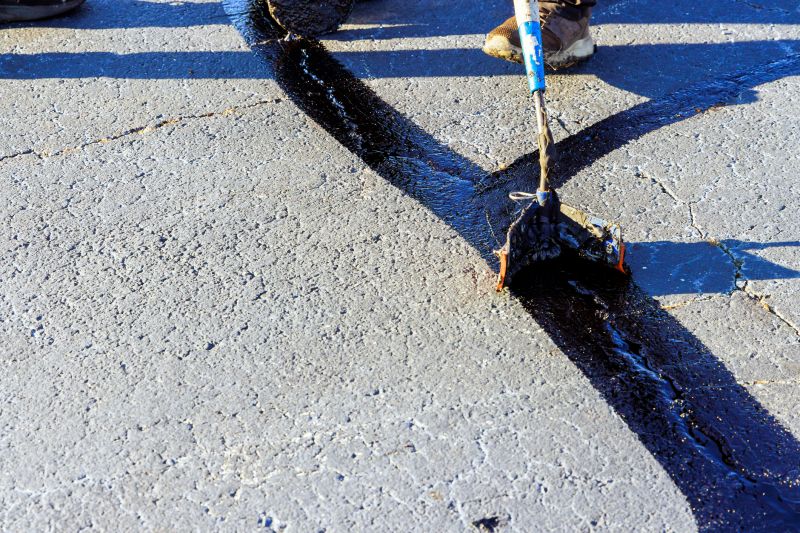
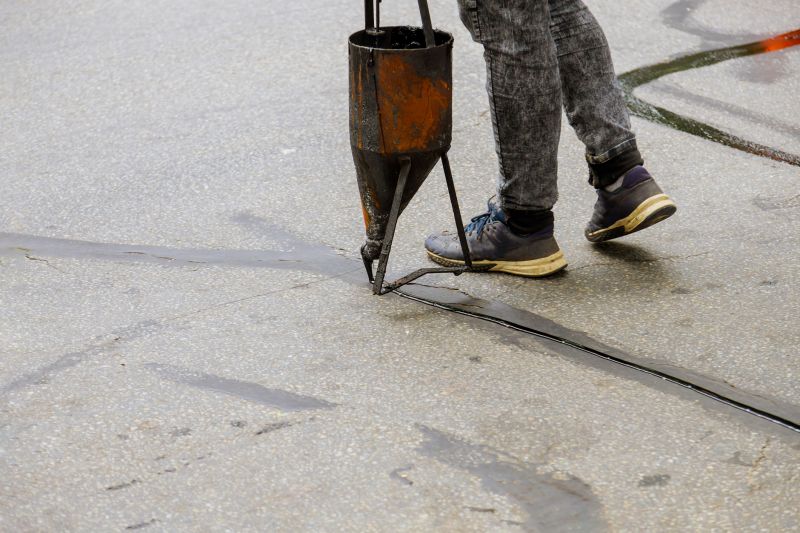
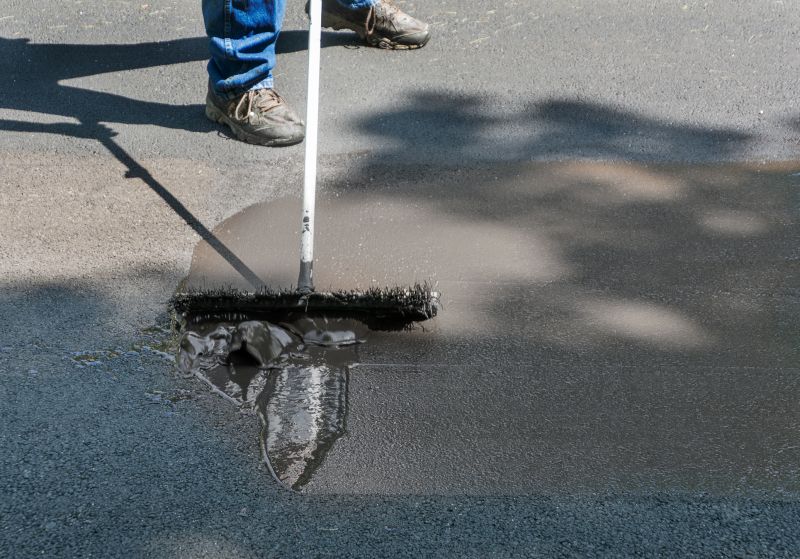
When homeowners or property managers search for information about asphalt crack sealing vs. resurfacing, they are often trying to determine the most effective way to maintain or improve their paved surfaces. Typically, the questions revolve around whether minor cracks and surface imperfections can be addressed with sealing or if more extensive work like resurfacing is necessary. These decisions are closely tied to the overall condition of the asphalt, the age of the pavement, and the long-term goals for the property. For example, a driveway with small, surface-level cracks might benefit from asphalt crack sealing to prevent water intrusion and further deterioration, while a parking lot with widespread surface wear and deep cracks may require resurfacing to restore a smooth, durable surface.
The types of problems that lead property owners to consider asphalt crack sealing vs. resurfacing often involve different stages of pavement aging. When cracks are narrow and the asphalt surface remains relatively intact, crack sealing can be an effective, affordable way to extend the life of the pavement. It helps prevent water from seeping into the base layers, which can cause more serious damage over time. Conversely, if the pavement surface shows signs of significant aging-such as large cracks, raveling, or extensive surface deterioration-resurfacing becomes a more appropriate solution. Resurfacing involves applying a new layer of asphalt over the existing surface to address widespread issues and provide a fresh, smooth finish that enhances both appearance and functionality.
The properties that typically come up in discussions of asphalt crack sealing vs. resurfacing include residential driveways, commercial parking lots, and small to medium-sized pavements. Residential properties often focus on maintaining curb appeal and preventing minor cracking from worsening, making crack sealing an attractive choice for homeowners. Commercial properties, on the other hand, frequently need to maintain a professional appearance and safe surface conditions, which may require more comprehensive solutions like resurfacing when the pavement is heavily worn. Regardless of property type, understanding the current condition of the asphalt is key to choosing the right approach, and our team at All State Asphalt can help assess whether crack sealing or resurfacing makes the most sense for each specific project.
Ultimately, asphalt crack sealing vs. resurfacing is about matching the right maintenance or repair method to the condition of the pavement and the goals of the property owner. Crack sealing is a cost-effective way to address minor issues early, preventing more costly repairs down the line. Resurfacing, however, is better suited for older or extensively damaged surfaces that need a complete refresh to restore safety and appearance. Our asphalt sealing services play a vital role in these processes, helping to protect and prolong the life of the pavement by sealing cracks and preventing water damage. Whether addressing small cracks or preparing for resurfacing, our team is dedicated to delivering quality work that supports the longevity and functionality of every property we serve.
At All State Asphalt, we bring extensive experience and a deep understanding of asphalt maintenance and preservation. Our team specializes in providing high-quality asphalt sealing services that help protect surfaces from the damaging effects of weather, traffic, and time. We recognize that choosing between asphalt crack sealing and resurfacing depends on the specific condition of the pavement, and our expertise allows us to recommend the most effective solutions to extend the life of your asphalt. Whether it’s a residential driveway or a commercial parking lot, our goal is to deliver results that enhance durability and appearance, supporting the ongoing growth of communities throughout Georgia and South Carolina.
Our approach to asphalt sealing emphasizes professionalism and attention to detail. We use modern techniques and adhere to safe work practices to ensure that every project is completed efficiently and to the highest standards. Proper sealing not only improves the visual appeal of the surface but also acts as a preventive measure against further damage, making it a practical choice for many situations. When asphalt crack sealing vs. resurfacing is considered, sealing is often the first step to address minor cracks and surface deterioration before more extensive repairs are needed. Our team is committed to providing honest assessments and tailored recommendations, ensuring that each customer receives a solution that aligns with their needs and the current condition of their pavement.
Customer satisfaction is at the core of everything we do at All State Asphalt. We take pride in our craftsmanship and in creating smooth, durable surfaces that support the safety and functionality of your property. Our sealing services are designed to preserve the integrity of your asphalt, preventing water infiltration and reducing the likelihood of future repairs. Whether the pavement requires simple crack sealing to address specific issues or a more comprehensive resurfacing, our team is dedicated to delivering dependable service and results that stand the test of time. Trust us to help you make informed decisions about your asphalt maintenance needs, ensuring your surfaces remain in excellent condition for years to come.
Parking Lot Striping - precise striping requires smooth, well-prepared surfaces similar to sealing and resurfacing projects, ensuring clear markings and long-lasting results.
Asphalt Repair - patching and crack filling work closely with sealing techniques and resurfacing decisions to restore pavement integrity and extend lifespan.
Driveway Paving Installation - initial paving projects involve planning and surface prep skills that are foundational for understanding when sealing or resurfacing is appropriate.
Pavement Marking and Line Removal - these tasks demand surface preparation and attention to detail, aligning with the planning needed for crack sealing and resurfacing.
Surface Restoration - restoring aged asphalt involves assessing whether crack sealing or resurfacing will best improve durability and appearance.
Commercial Paving Repair - large-scale repairs require similar assessment and surface treatment techniques as those used in crack sealing and resurfacing decisions.
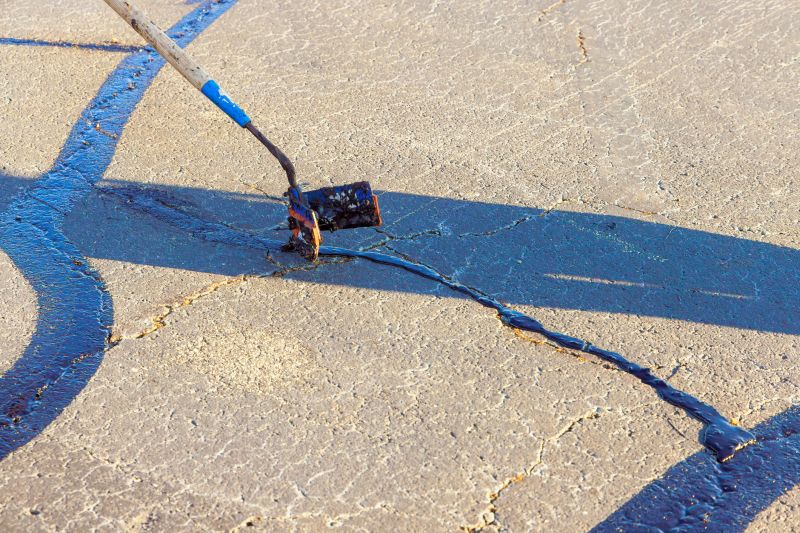
When evaluating asphalt crack sealing versus resurfacing, experience with similar projects can be a valuable factor. Our team at All State Asphalt has extensive experience in handling a wide range of asphalt maintenance and repair projects, including crack sealing and resurfacing for both residential and commercial properties. We understand the nuances of different asphalt conditions and can draw on past projects to recommend the most effective solution for your specific situation. This background helps ensure that the work performed aligns with industry best practices and results in a durable, long-lasting surface.
Clear, written expectations are essential when comparing these options. We believe in providing detailed explanations of what each service involves, the benefits, and the limitations. For example, crack sealing is generally suitable for addressing minor surface issues and preventing further deterioration, while resurfacing is a more comprehensive solution that can restore a worn or severely damaged pavement. Our team emphasizes transparency by outlining what each process entails, so homeowners can make informed decisions based on their needs and the current condition of their asphalt.
Reputable references and good communication further support choosing the right service. We encourage potential clients to review our previous work and speak with references who can attest to the quality and reliability of our asphalt sealing services. Open communication is a cornerstone of our approach, ensuring that homeowners feel confident and well-informed throughout the process. By maintaining honest dialogue, providing updates, and addressing questions promptly, we aim to build trust and ensure that the selected solution-whether crack sealing or resurfacing-is the best fit for maintaining the integrity and appearance of your asphalt surface over time.
Property owners often search for asphalt crack sealing vs. resurfacing: when each makes sense when they are planning practical projects around their homes and businesses. Our team provides Asphalt Sealing services for everyday jobs and straightforward project options.
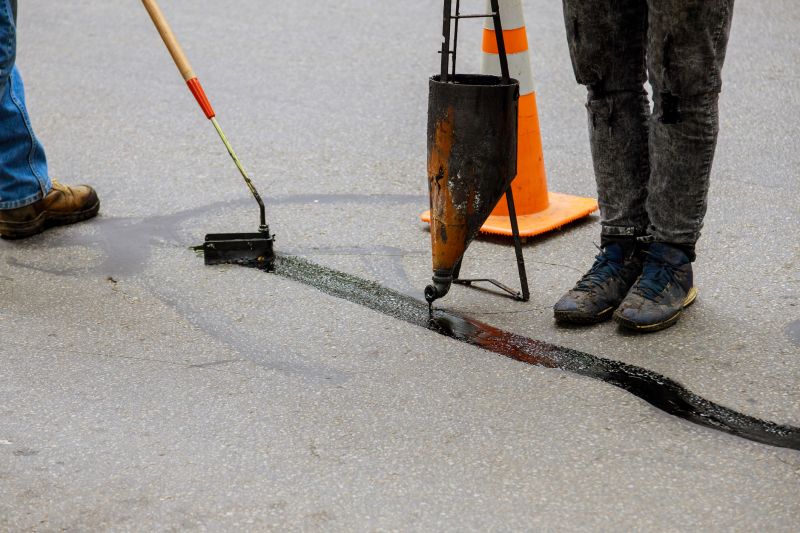
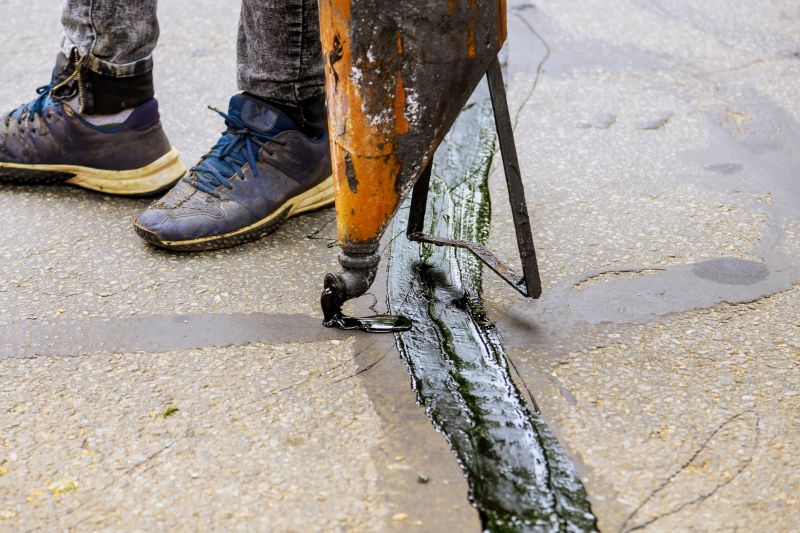
When property owners are faced with cracks or surface deterioration on their asphalt surfaces, understanding the differences between asphalt crack sealing and resurfacing can help determine the most appropriate solution. Asphalt crack sealing is typically used for minor cracks and small surface issues, serving as a preventative measure to stop water infiltration and prevent further damage. This process is ideal for maintaining the integrity of an existing asphalt surface and extending its lifespan without the need for complete reconstruction. Many property owners consider asphalt sealing services when they notice early signs of surface cracking or small potholes, as these issues can often be effectively addressed without more extensive work.
On the other hand, resurfacing makes sense when the asphalt surface has significant wear, widespread cracking, or roughness that cannot be remedied through sealing alone. Resurfacing involves applying a new layer of asphalt over the existing surface, providing a fresh, smooth appearance and improved durability. Property owners who see extensive deterioration or large areas of damage often look into resurfacing options, but for those with minor issues, asphalt crack sealing offers a cost-effective and efficient way to protect their investment. Our team at All State Asphalt specializes in both sealing and resurfacing services, helping property owners choose the right approach to keep their asphalt surfaces in top condition.
When should asphalt crack sealing be considered instead of resurfacing? Asphalt crack sealing is ideal for addressing small to moderate cracks and preventing water infiltration, making it a suitable option when the pavement is still in relatively good condition but shows signs of cracking. Our team recommends crack sealing to extend the lifespan of existing asphalt before more extensive repairs are needed.
In what situations does asphalt resurfacing make more sense than crack sealing? Resurfacing is appropriate when the asphalt surface has extensive deterioration, such as large potholes, widespread cracking, or significant surface wear. Resurfacing provides a new, durable layer that restores the pavement's appearance and functionality when crack sealing alone can no longer effectively address the damage.
Can asphalt sealing services help decide between crack sealing and resurfacing? Yes, asphalt sealing services include assessments of the pavement’s condition, helping determine whether crack sealing or resurfacing is the best solution. Our team evaluates the extent of damage and advises on the most effective approach to ensure long-lasting results.
How does asphalt crack sealing contribute to the decision to resurface later? Asphalt crack sealing is a preventative measure that helps maintain the integrity of the pavement, delaying the need for resurfacing. By sealing cracks early, we can help preserve the surface and extend its lifespan, potentially postponing more costly resurfacing projects.
What role does asphalt sealing play in the overall pavement maintenance strategy? Asphalt sealing services are a key part of pavement maintenance, helping to protect the surface from water damage, oxidation, and further cracking. Proper sealing can improve the pavement’s condition, making it easier to determine whether crack sealing or resurfacing is appropriate in the future.
Assessing surface damage - Property owners can evaluate whether cracks are small and isolated or if the pavement shows widespread deterioration to determine if asphalt crack sealing or resurfacing is appropriate.
Considering long-term needs - When planning for future traffic demands or aesthetic improvements, choosing between sealing and resurfacing helps ensure the surface meets long-term goals.
Addressing budget priorities - Understanding the cost-effectiveness of asphalt crack sealing versus resurfacing allows property owners to select the service that aligns with their maintenance budget.
Planning for maintenance cycles - Regular sealing can extend the life of asphalt surfaces, making it a practical choice for ongoing upkeep before more extensive resurfacing becomes necessary.
If you are thinking about asphalt crack sealing vs. resurfacing: when each makes sense for a property, this guide is meant to help you understand this topic, the typical project types, and how different options might fit your plans.
When you are ready, you can use the quote form on this page to share a few details about your project. From there, our team can review the basics and follow up with options that match what you have in mind.